Next Gen Design Projects 2026
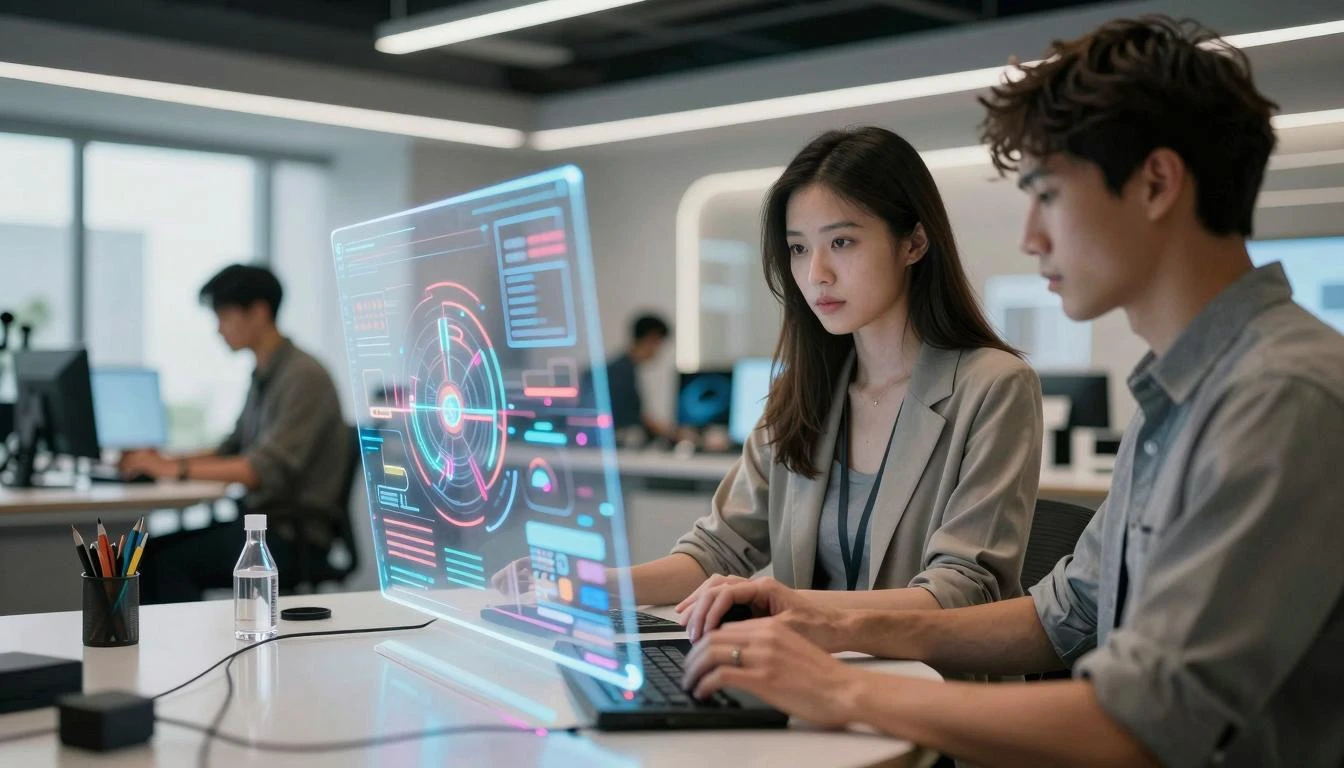
Design is no longer just about aesthetics. Next generation design concepts are transforming global education, helping students, educators, designers, and creative professionals develop future, ready skills through AI, immersive technologies, and collaborative digital environments. Instead of following trends, successful projects now combine creativity, critical thinking, and real, world problem solving to prepare learners for industries that continue to evolve at remarkable speed.
This future, focused approach to creative development goes far beyond traditional design practices. In other words, the modern framework for next generation design concepts connects emerging technologies with practical education, enabling learners to experiment, adapt, and innovate with confidence. The most surprising breakthrough is not that AI can generate designs—it is that the most valuable skill in 2026 is knowing how to guide AI with uniquely human creativity.
Future Ready Design Concepts
The future belongs to creators who embrace innovative design project ideas while understanding user needs, accessibility, and continuous improvement. Modern educational institutions increasingly encourage interdisciplinary learning, combining digital design, programming, storytelling, and human, centered innovation. Relevant LSI keywords include digital transformation, creative technology, future, ready education, design innovation, and digital learning environments.
AI Assisted Creative Workflow
Artificial intelligence accelerates brainstorming, automates repetitive production, and helps creators test multiple design directions in minutes. Rather than replacing designers, AI supports ideation, improves productivity, and allows students to focus on originality, strategic thinking, and creative decision, making. One practical long, tail keyword is how to use AI for next generation design projects in education.
Interactive Visual Storytelling
Compelling stories create memorable learning experiences. Interactive infographics, motion graphics, simulations, and multimedia presentations help audiences understand complex concepts faster while increasing engagement across different age groups. Effective storytelling also strengthens communication skills that employers increasingly value.
Adaptive Design Systems
Flexible design systems allow projects to remain consistent across websites, mobile applications, learning platforms, and smart devices. By using reusable components, scalable layouts, and accessibility standards, creators build solutions that remain efficient as technology continues to change.
Emerging Technology in Design
Emerging technologies continue to reshape educational experiences, making learning more personalized, collaborative, and experiential.
Augmented Reality Experiences
Augmented Reality enables learners to visualize scientific models, architectural structures, engineering prototypes, and historical artifacts within their real environments. This immersive approach significantly improves understanding while making abstract concepts easier to explore.
Smart Responsive Interfaces
Responsive interfaces now adapt intelligently to user behavior instead of merely fitting different screen sizes. Personalized dashboards, adaptive navigation, and predictive interactions improve usability while creating smoother learning experiences across devices.
Sustainable Digital Creativity
Sustainable design emphasizes efficient coding, optimized digital assets, environmentally conscious hosting, and accessible interfaces. Responsible digital creativity reduces resource consumption while delivering high, quality user experiences. One innovation quietly reshaping education is that environmentally efficient digital products often outperform heavier, visually complex alternatives in both speed and user satisfaction.
Innovative Project Execution
Great ideas only create value through effective execution, continuous testing, and collaborative development.
Cross Platform Collaboration
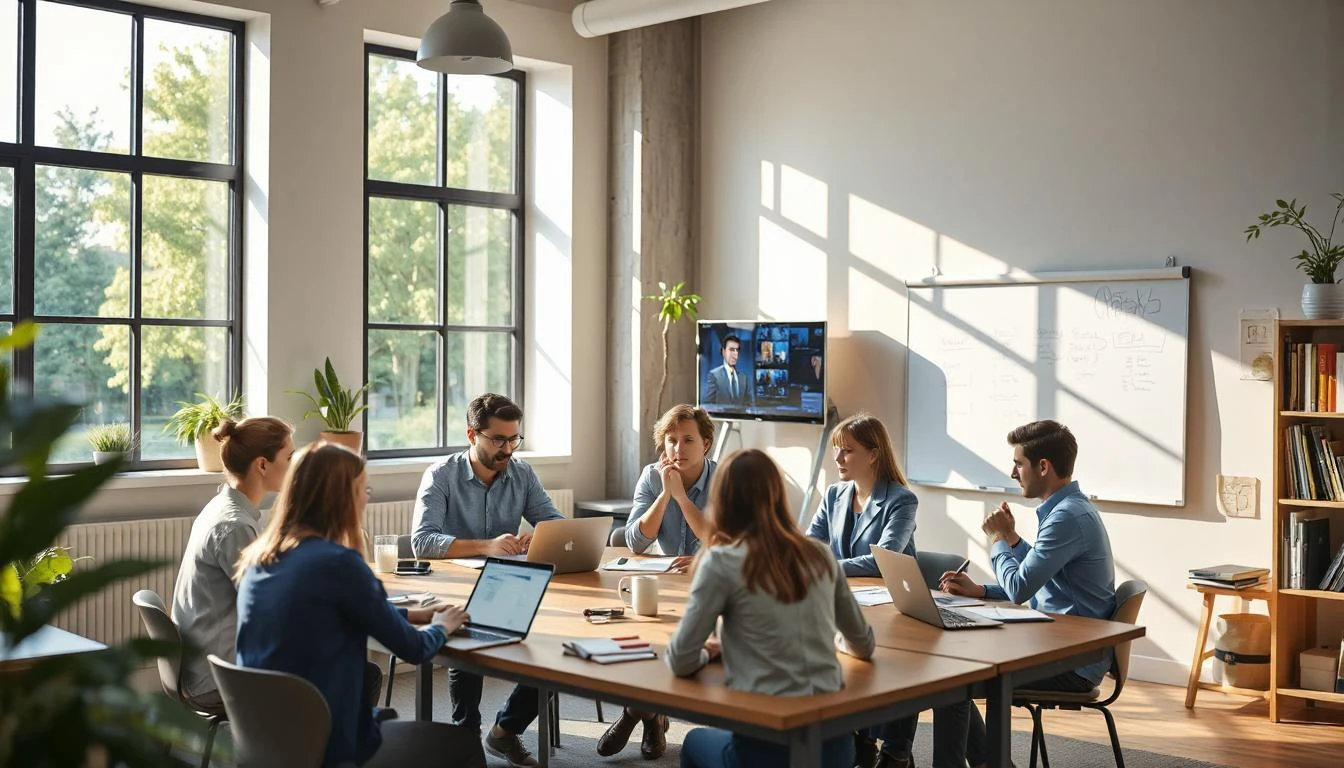
Cloud, based collaboration enables designers, educators, developers, and content creators to contribute simultaneously from different locations. Shared workflows improve communication, reduce revisions, and encourage knowledge sharing across disciplines.
Fast Prototyping Methods
Rapid prototyping helps teams validate concepts before investing significant resources. Interactive mockups, clickable wireframes, and AI, assisted prototypes allow faster feedback while reducing development risks.
User Focused Experimentation
Continuous user testing reveals genuine needs instead of assumptions. Collecting feedback from students, educators, and end users helps refine interfaces, improve accessibility, and deliver meaningful educational outcomes. A valuable long, tail keyword here is best strategies for creating innovative education design projects in 2026.
Start Building Next Gen Design Projects Today
Every successful project begins with curiosity, structured experimentation, and a willingness to embrace continuous learning. As design technologies advance, the strongest competitive advantage will always be your ability to combine creativity, technical knowledge, and empathy into solutions that genuinely improve learning experiences.
According to Don Norman, "The real problem is not whether machines think but whether people do." His perspective remains highly relevant because technology becomes valuable only when it serves human needs with clarity, purpose, and thoughtful design.
If you want your projects to stand out, challenge yourself to learn emerging technologies, experiment with AI responsibly, collaborate across disciplines, and keep refining every prototype based on real user feedback. Those consistent habits will help you transform next generation design concepts into meaningful innovations that create lasting educational impact while preparing you for the rapidly changing creative industries of 2026.